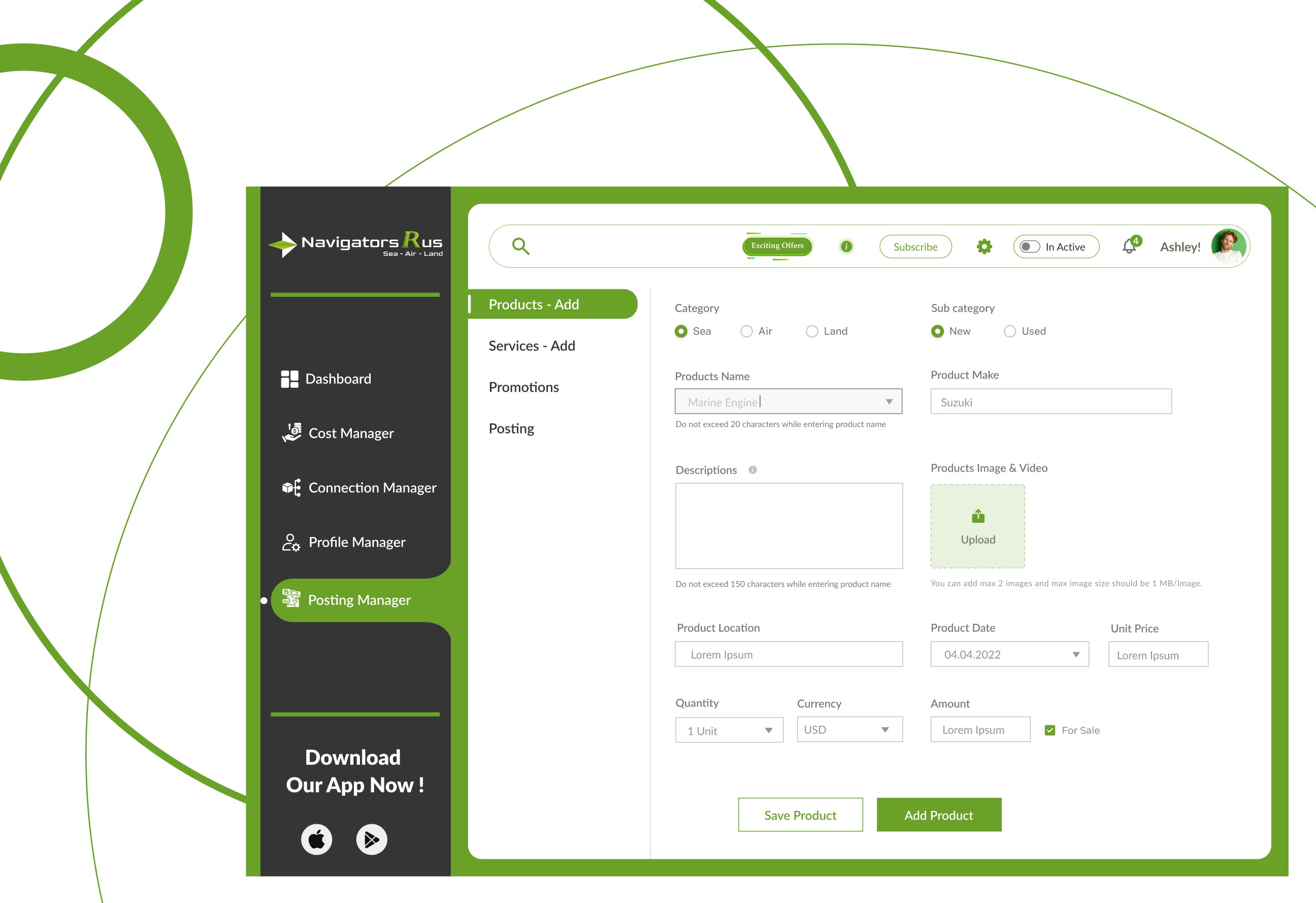


I followed a user-centered design process:
Understanding Business Goals → Identified core value: global connectivity + multi-category marketplace
User Flow Mapping → Defined journeys for Admins and Users
Information Architecture → Structured content for clarity and scalability
Wireframing → UI Design → Designed clean, minimal, and easy-to-navigate layouts
Iteration → Refined based on usability and edge cases
Whether you’re an entrepreneur, professional developer, or first-time blogger, there’s a library of resources and learning tools ready for you. Plus, you have the whole WordPress community in your corner.
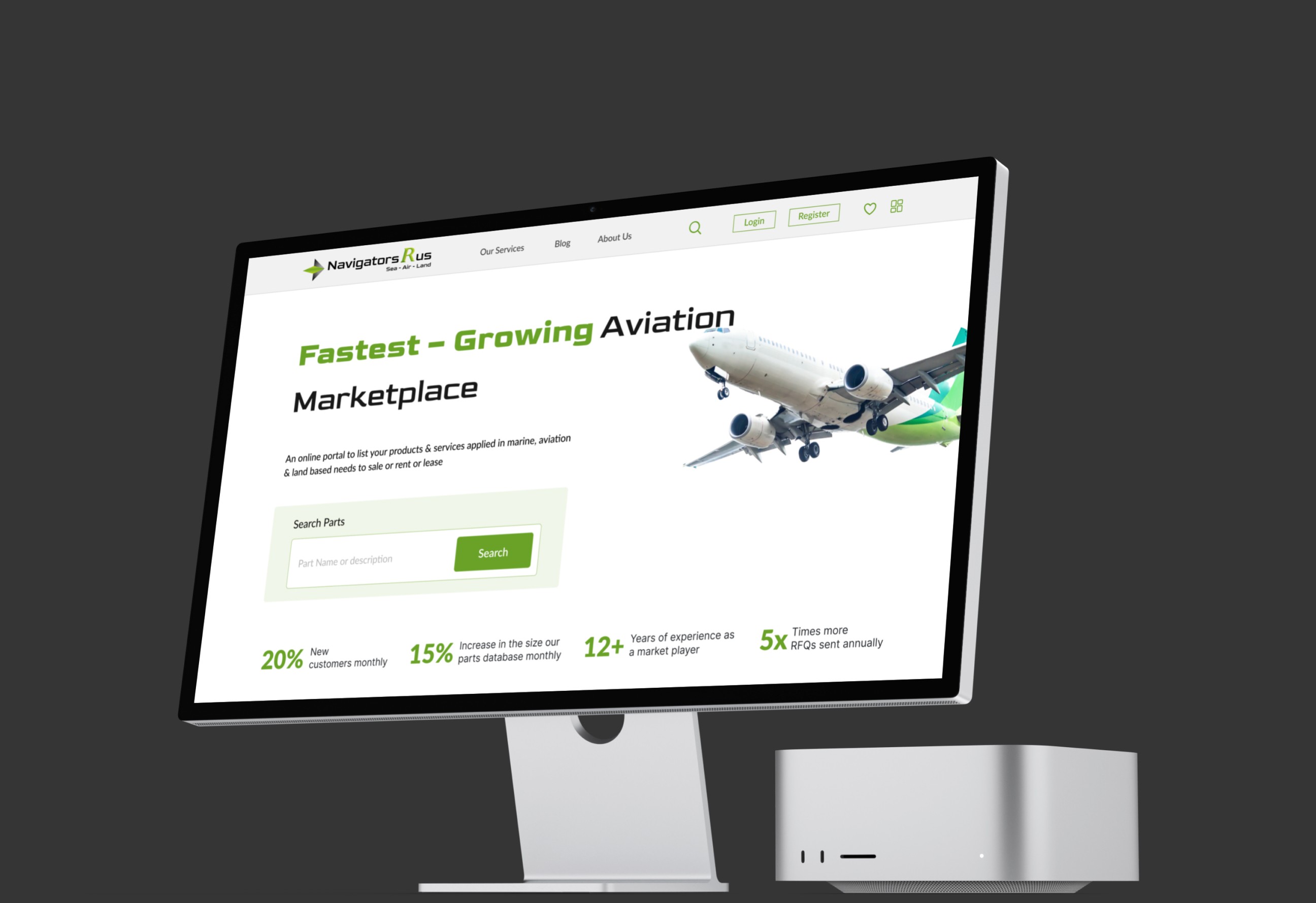
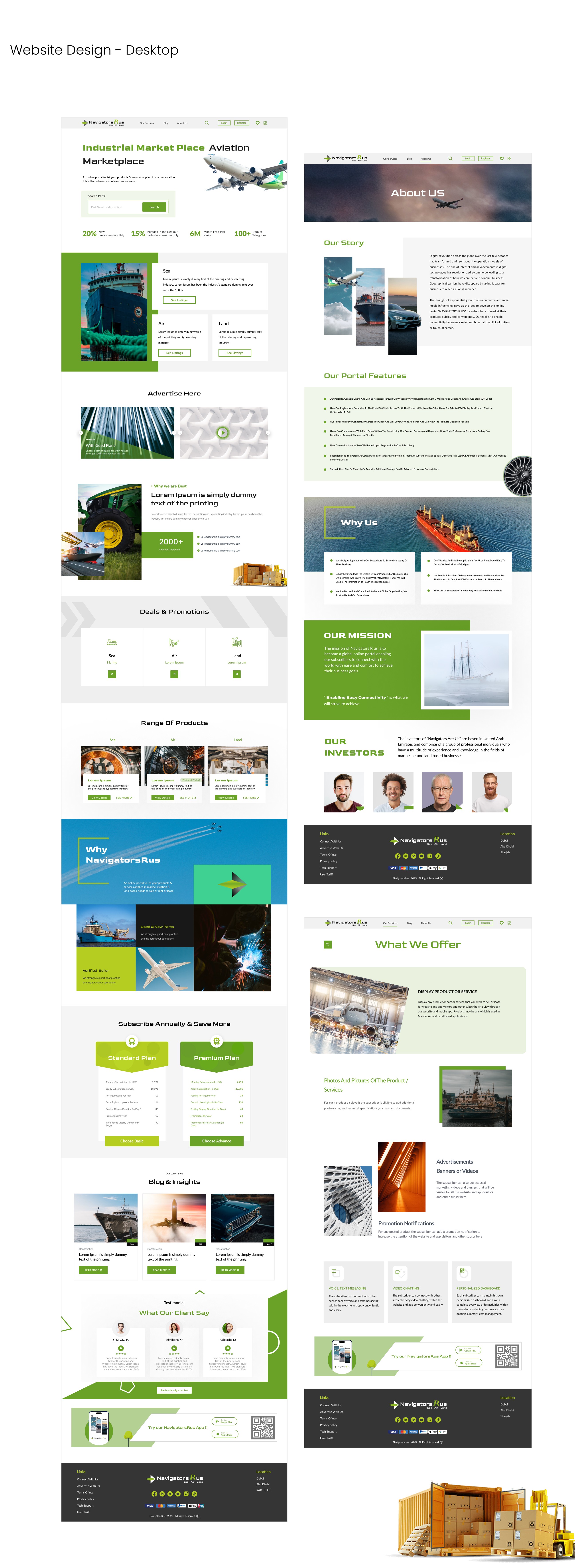
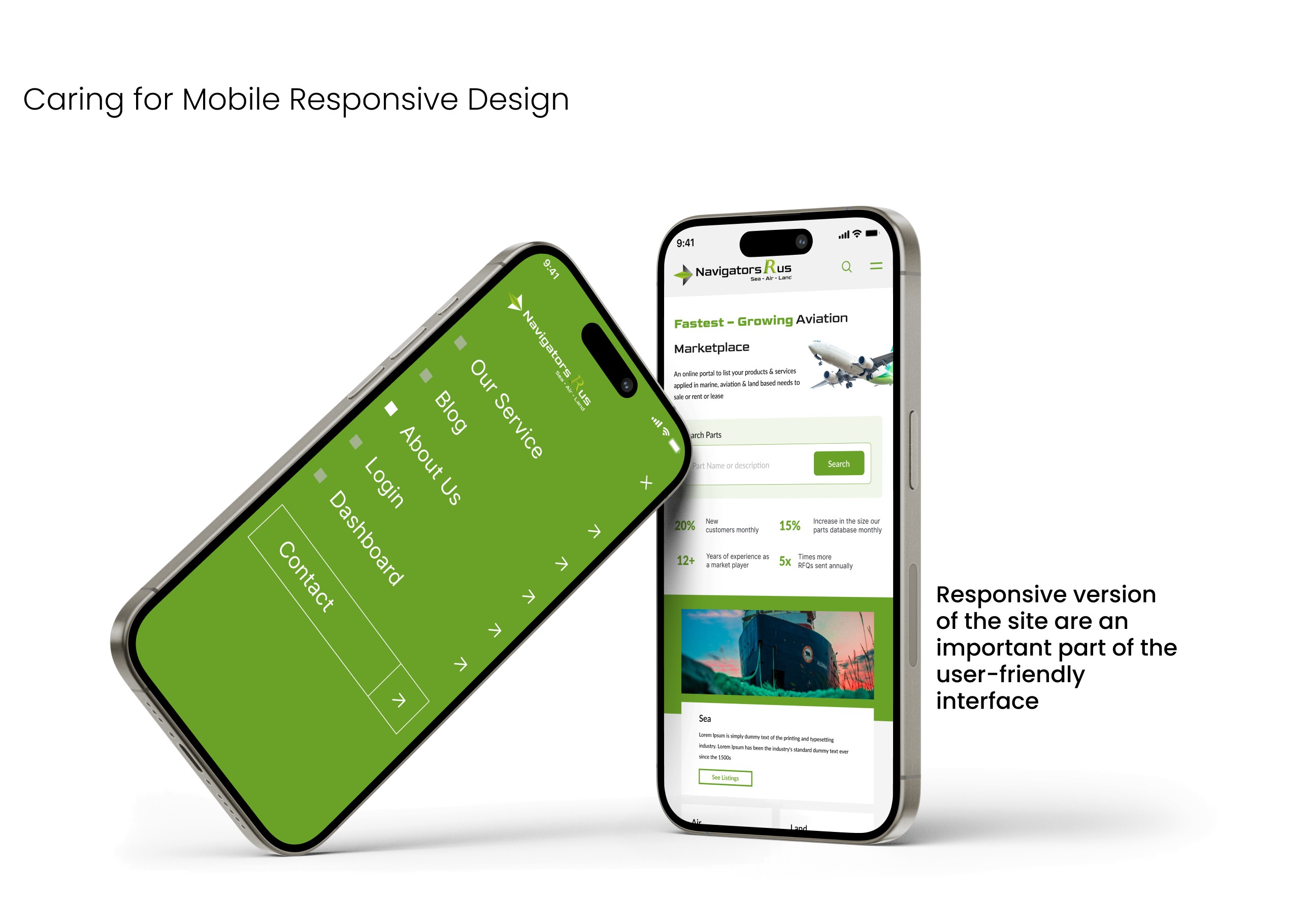
Landing Pages (Clarity & Positioning)
Simplified messaging to clearly communicate platform purpose
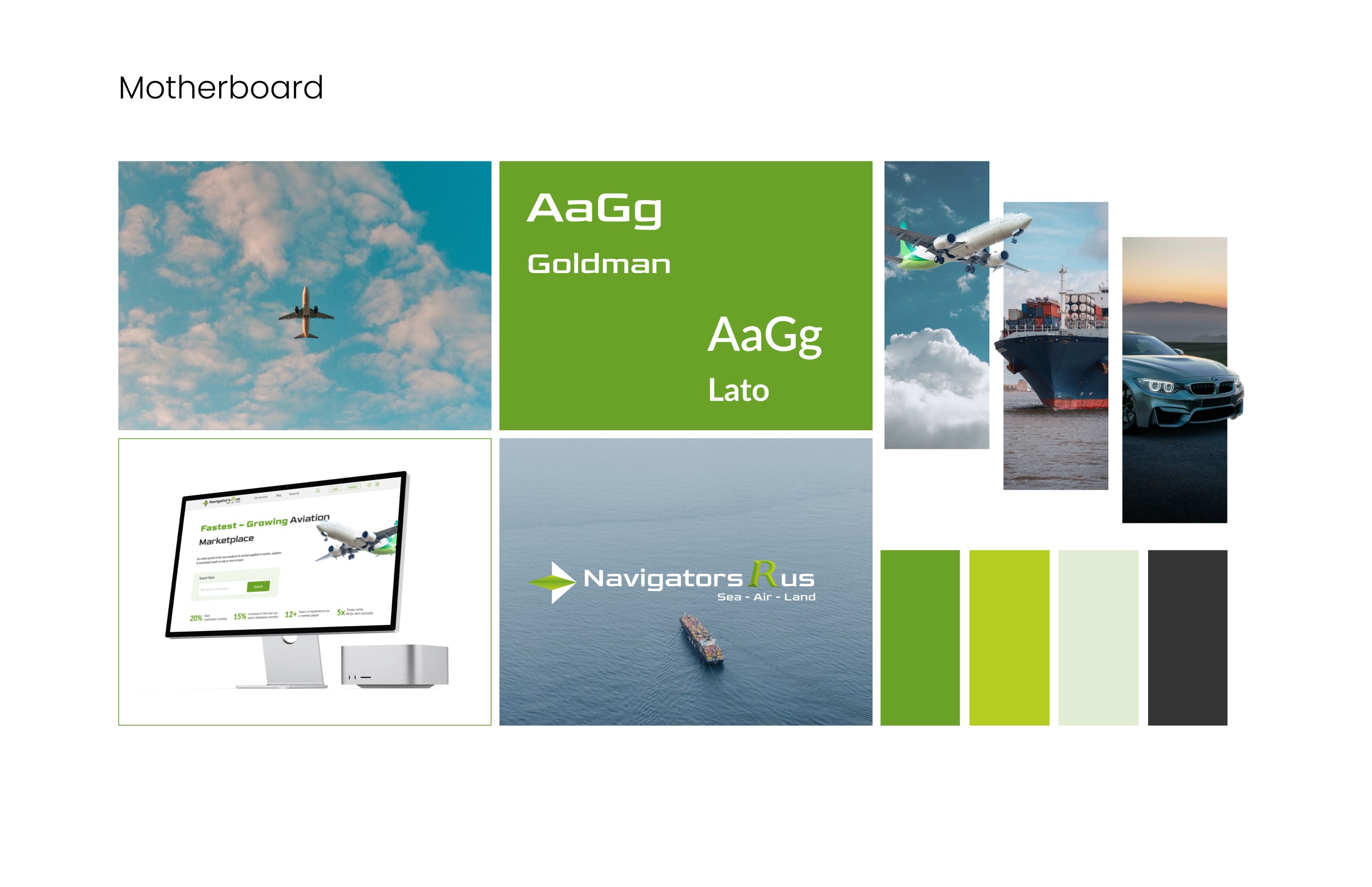
Highlighted key offerings (marine, aviation, land-based)
Focused on trust, global reach, and usability
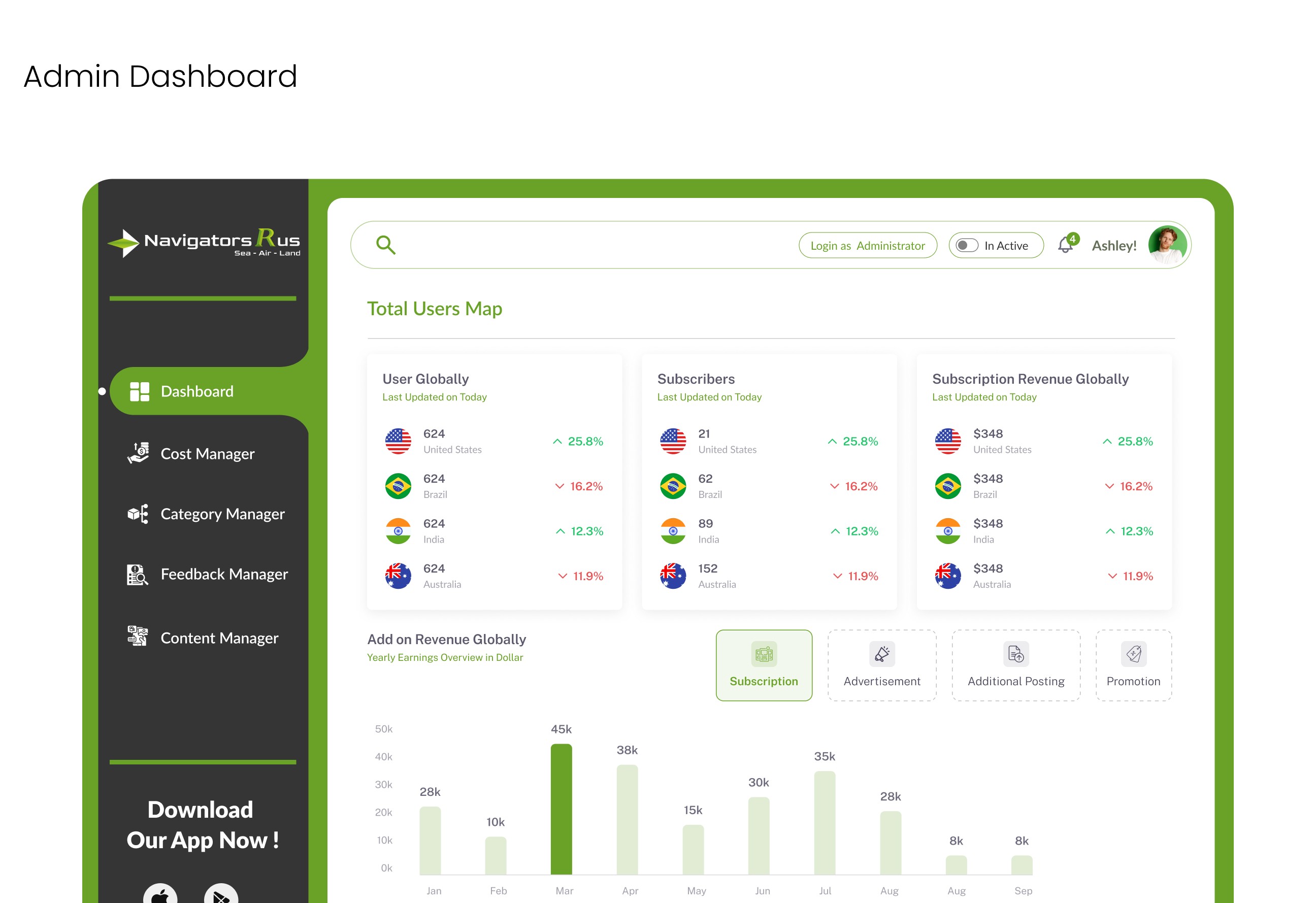
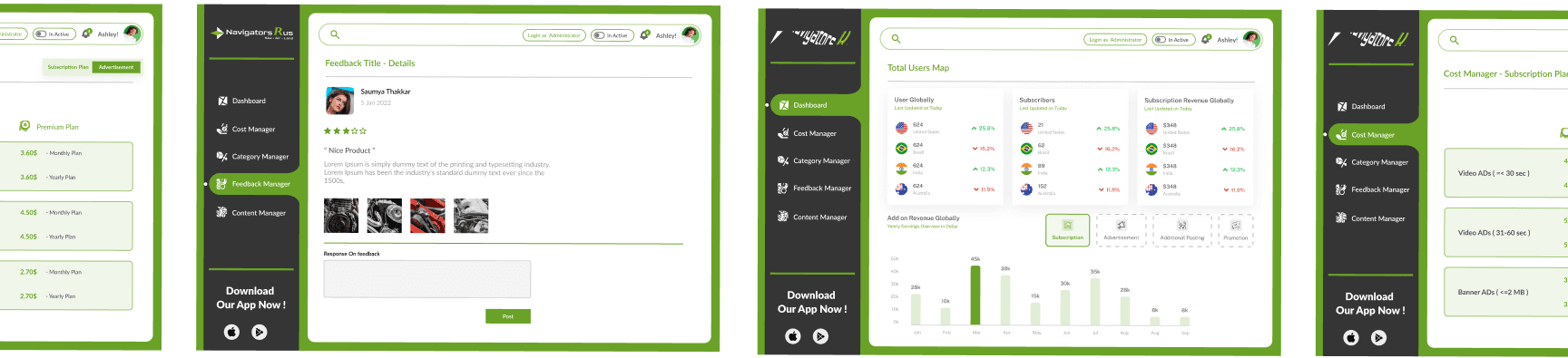
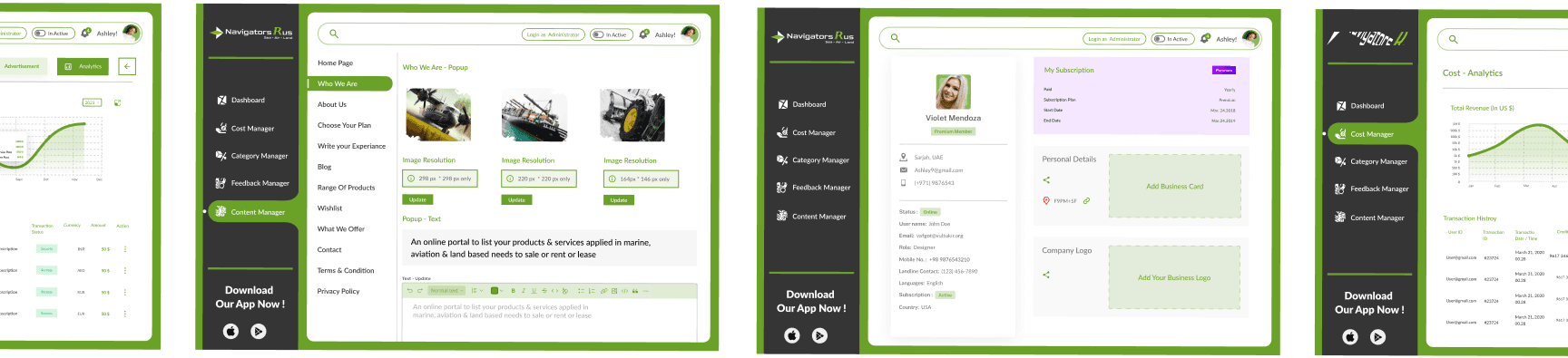
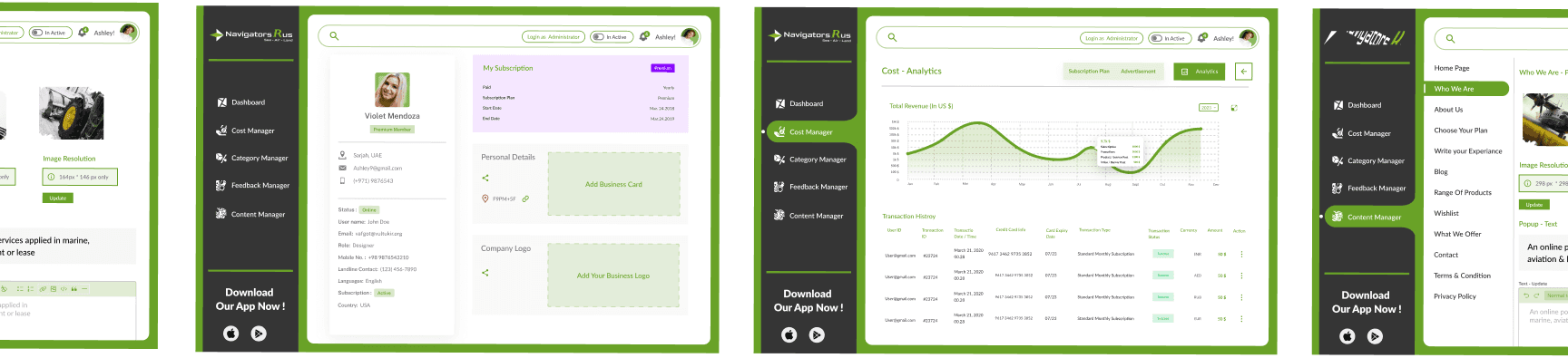
Admin Dashboard (Operational Efficiency)
Designed for managing revenue streams, listings, and users
Enabled control over categories, content, and feedback
Structured data for quick decision-making
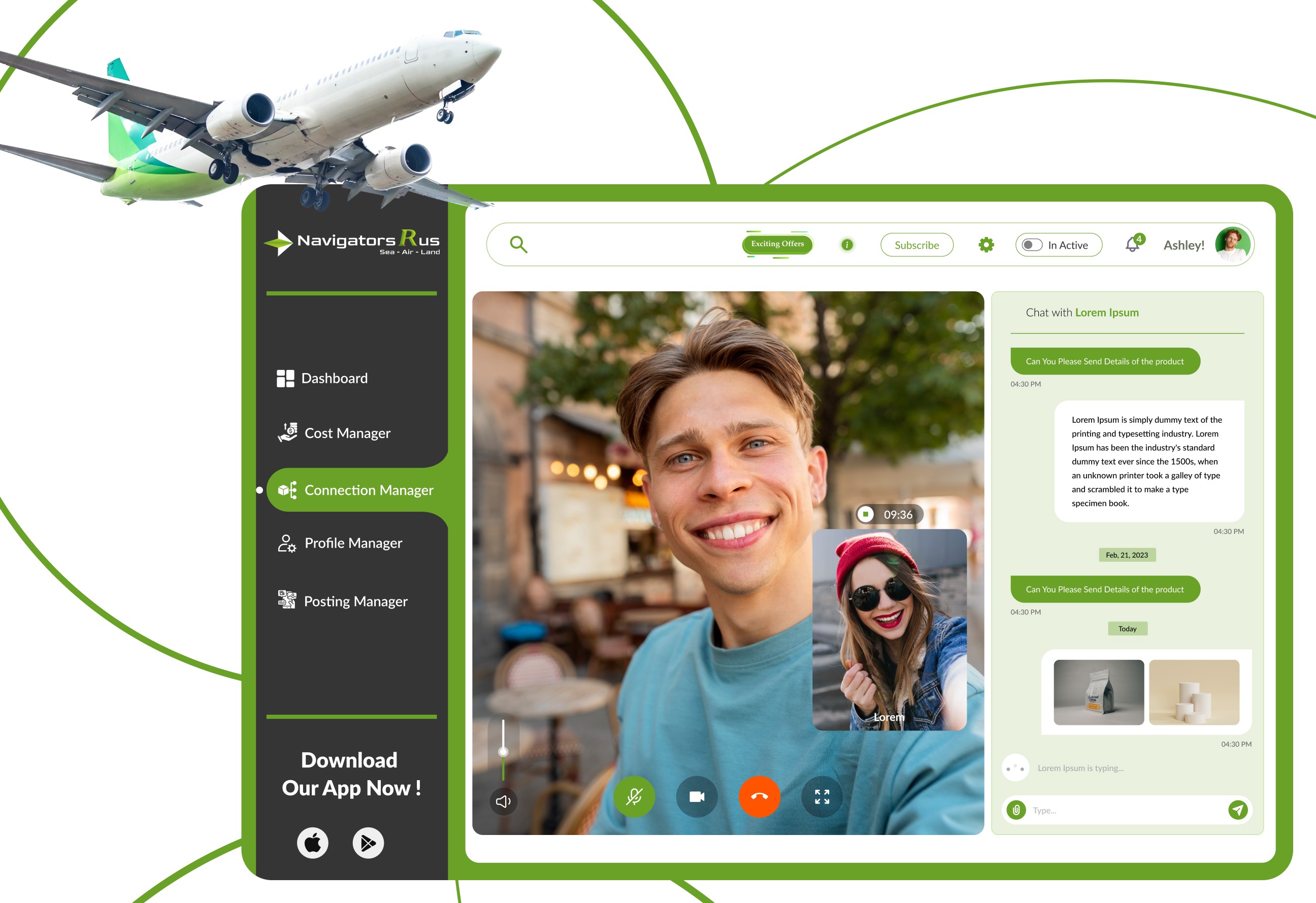
User Dashboard (Ease of Use)
Enabled users to manage listings, costs, and interactions
Integrated communication (chat, call, video)
Created a smooth exploration → connection → transaction flow

My Role
End-to-end UX/UI Design
User flows, wireframes, and high-fidelity UI
Dashboard experience design (Admin + User)
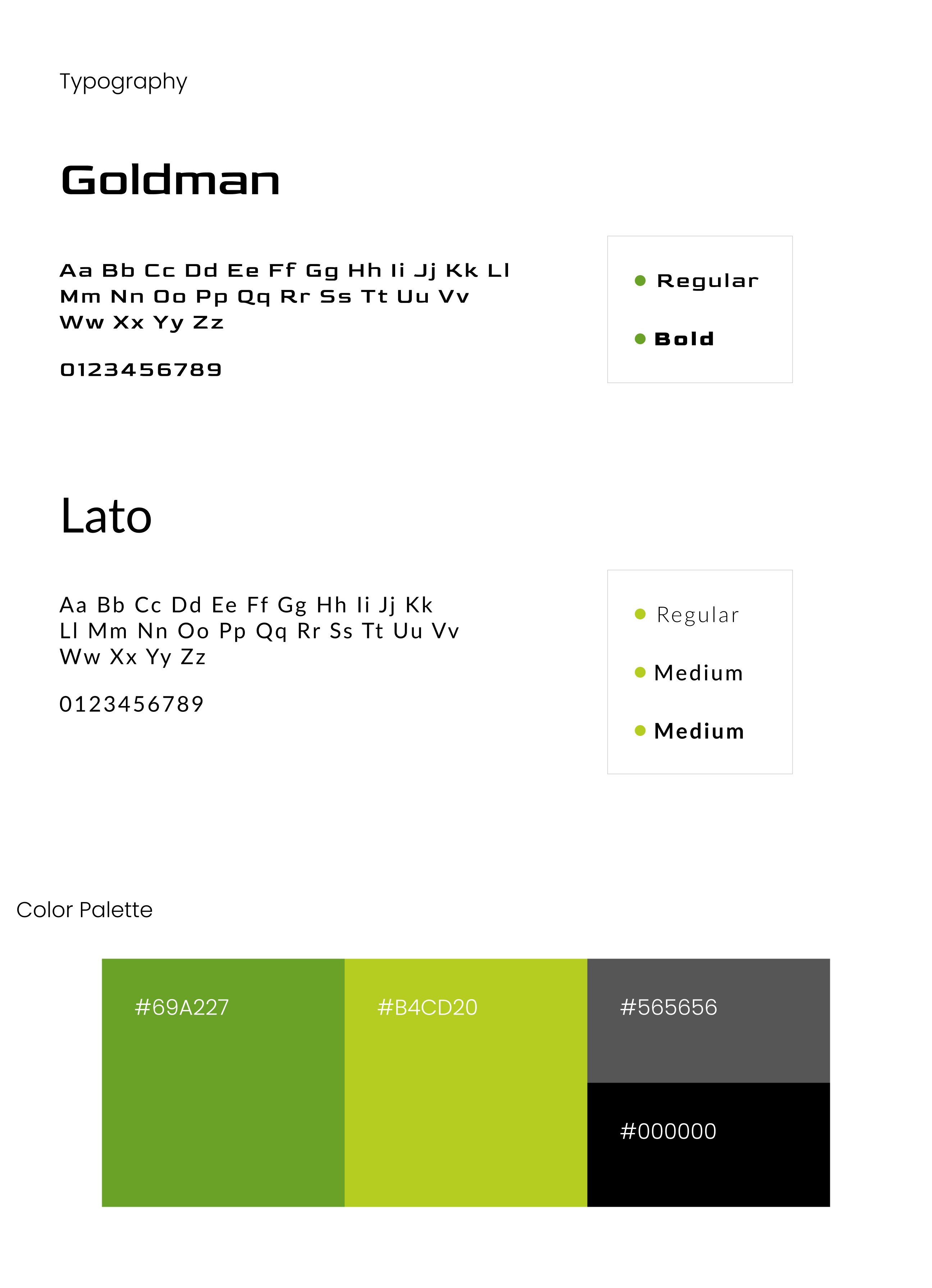
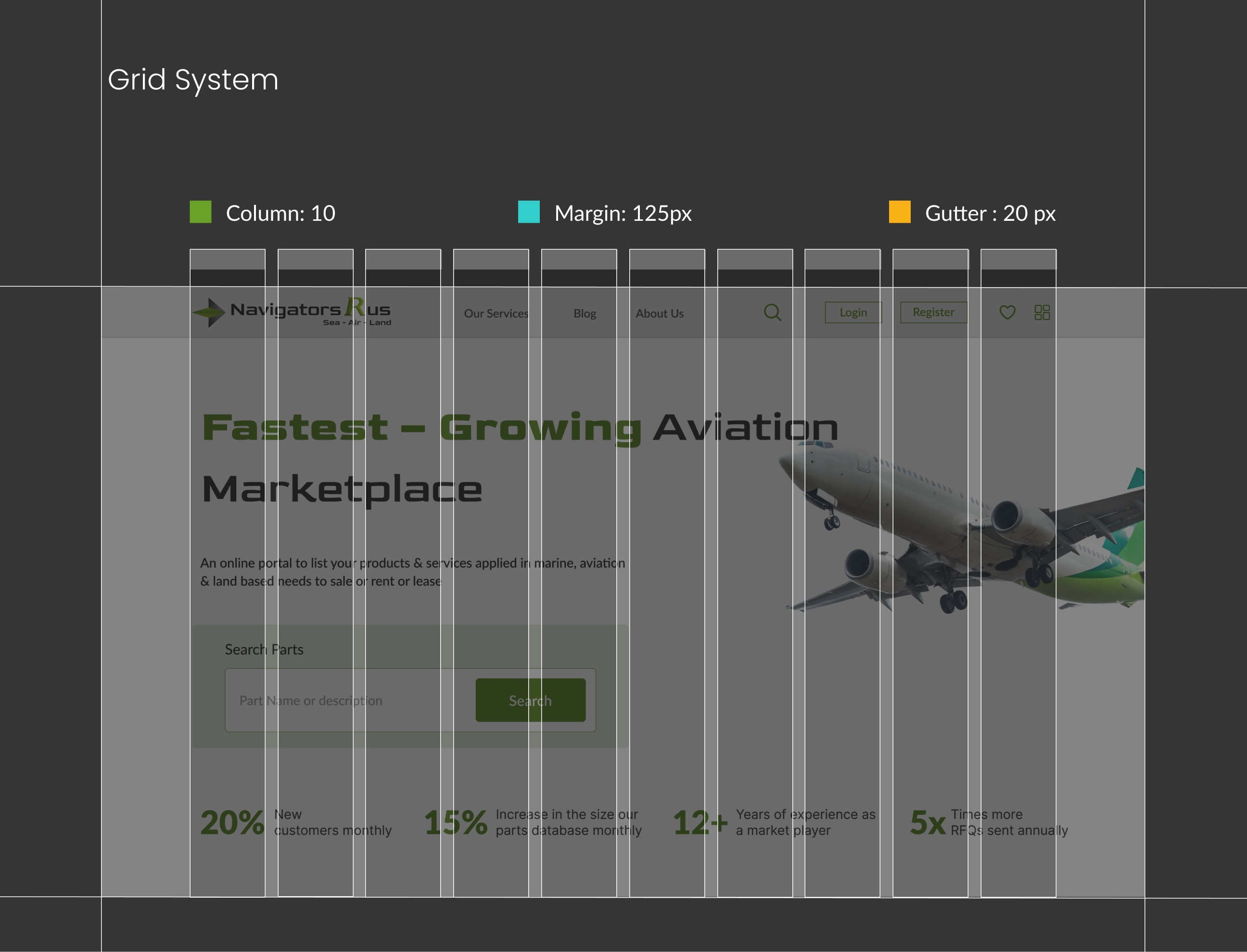
Design system and consistency across screens
Outcome
Improved clarity of platform value proposition
More structured and scalable workflows
Better usability for both admins and users
Created a clean, professional, and globally adaptable product experience